
When seasoned travelers ask us which destination in Japan offers the perfect balance of spiritual depth, natural beauty, and authentic culture without the overwhelming crowds of Kyoto, our answer is always the same: Ise-Shima. Located on the Mie Prefecture coastline, this remarkable region combines Japan's most sacred shrine, the birthplace of the cultured pearl industry, and some of the country's most stunning coastal scenery.
After guiding hundreds of discerning guests through this area, we've learned that Ise-Shima isn't just another stop on a Japan itinerary—it's often the experience travelers remember most vividly.
⛩️ Ise-Shima at a Glance
Japan's spiritual heartland featuring the 2,000-year-old Ise Grand Shrine, Mikimoto Pearl Island, traditional ama divers, and stunning Ago Bay. Best visited over 2-3 days via Kintetsu Limited Express.
⛩️
Sacred Shrine
🦪
Pearl Capital
🤿
Ama Divers
🦞
Fresh Seafood
Why Ise-Shima Belongs on Your Japan Journey
The beauty of Ise-Shima lies in what it doesn't try to be. Unlike destinations that have adapted themselves for mass tourism, this region has maintained its authenticity while becoming quietly accessible to international visitors. The sites here have meaning beyond photo opportunities—they're places where Japanese culture reveals itself in layers, rewarding those who take time to look deeper.
✅ Why Choose Ise-Shima
- • Japan's most sacred Shinto shrine
- • Far fewer tourists than Kyoto
- • Authentic cultural experiences
- • Exceptional fresh seafood
- • Beautiful coastal scenery
⚠️ Things to Know
- • Limited English signage
- • Requires 2-3 days minimum
- • Cash-based economy
- • Rural transport challenges
- • Advance planning essential
Mastering the Journey: The Kintetsu Limited Express Experience
Booking Your Train the Right Way
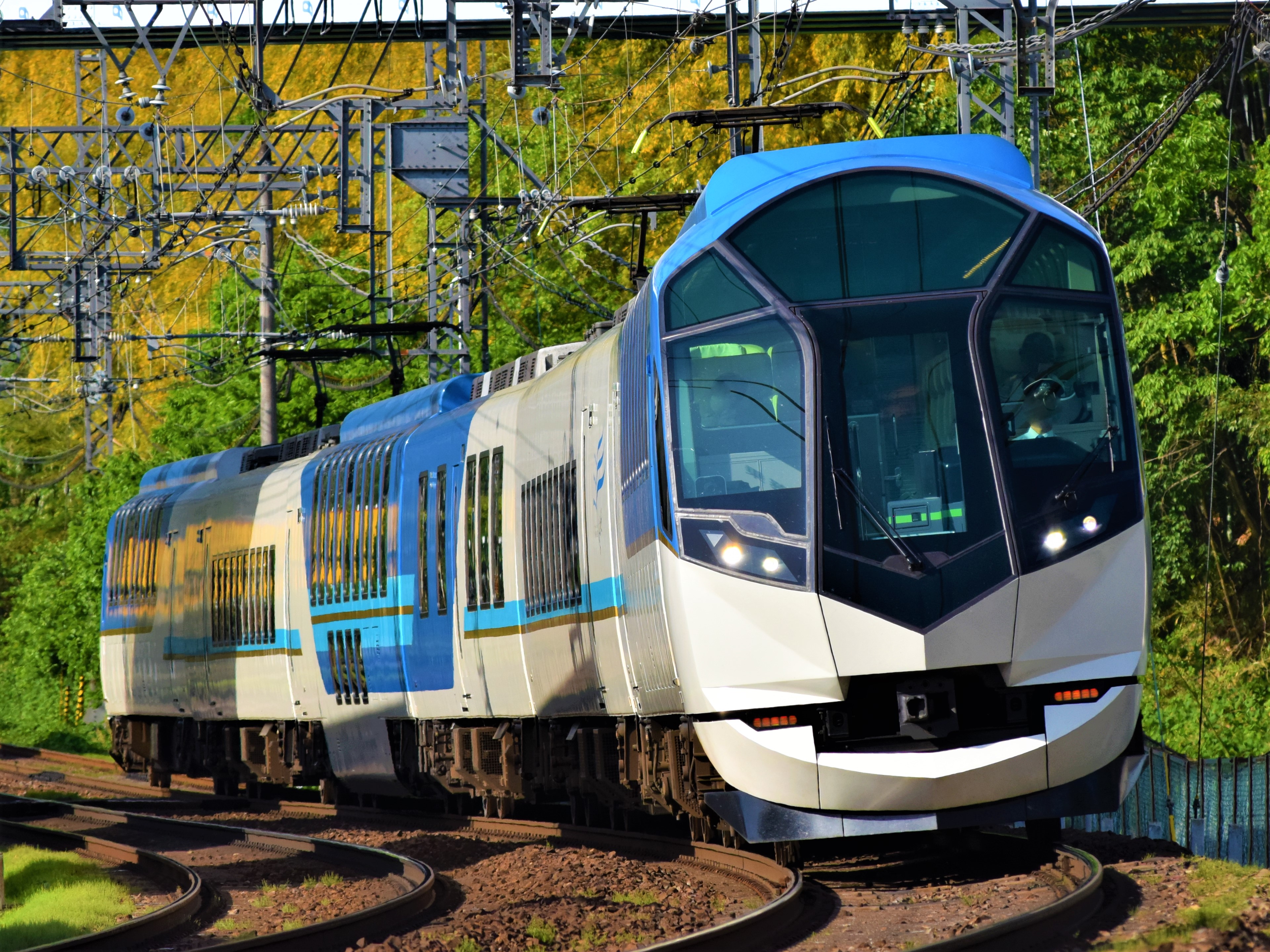
Here's where our expertise makes your trip smoother from the start. While most travelers know the shinkansen bullet train, the journey to Ise-Shima actually works best via the Kintetsu Limited Express from Osaka Namba, Kyoto or Nagoya Station. The key detail most guidebooks miss: book the "Shimakaze" luxury train if your schedule allows. These departures are limited (once a day), but they offer the most comfortable ride with individual pod-style seating and panoramic windows.
💡 Insider tip: Reserve seats on the left side of the train when departing from Nagoya Station—you'll get the best coastal views as you approach Kashikojima terminal. Book at least three days in advance during peak seasons (April cherry blossom time and November autumn colors), as these trains fill quickly.
The Journey as Part of the Experience
The two-hour ride from Nagoya provides a perfect transition from urban Japan to the coastal tranquility of Ise-Shima. Unlike the rapid-fire shinkansen, this journey lets you watch the landscape evolve—business districts give way to agricultural areas, then gradually the Pacific Ocean appears. The train's unhurried pace works in your favor here, allowing you to settle into a different rhythm before arrival.
Ujiyamada Station: A Sacred Threshold
When you arrive at Ujiyamada Station (the formal name for Ise's main station), you're stepping through the same gateway used by the Emperor and Prime Ministers when they visit Ise Jingu—Japan's most sacred shrine. This isn't just a railway station—it's a beloved threshold that local people and Kintetsu Railway built with profound devotion, creating a space worthy of welcoming both royalty and everyday pilgrims.
The station maintains a VIP Guest Room (Kihinsitsu) for imperial visits, yet its grand terracotta exterior and soaring concourse were designed to honor every visitor equally. Exit through the central gate and you'll find yourself just a 10-minute walk from Geku (the Outer Shrine) along a traditional approach path.
🚃 Kintetsu Routes to Ise-Shima
| From | To Ujiyamada | To Toba | To Kashikojima |
|---|---|---|---|
| Osaka Namba | ~1h 40min | ~2h | ~2h 20min |
| Kyoto | ~2h | ~2h 20min | ~2h 40min |
| Nagoya | ~1h 20min | ~1h 40min | ~2h 10min |
💡 Times shown for Limited Express. Shimakaze runs once daily from each city.
Ise Grand Shrine: Navigating Japan's Most Sacred Site
Understanding the Two-Shrine System
The Ise Grand Shrine actually comprises over 125 shrines, but your visit centers on two main complexes: the Outer Shrine (Geku) and Inner Shrine (Naiku). Most travelers make the mistake of heading straight to the more famous Inner Shrine, but tradition holds that you should visit the Outer Shrine first—and there's a practical reason beyond custom.
The Outer Shrine: Where to Begin Your Spiritual Journey
⏰ Expert timing advice: Arrive at Geku when it opens at 5:00 AM. Yes, this seems early, but here's why it matters: you'll experience the shrine in near-solitude, with morning mist filtering through the ancient cryptomeria trees. The atmosphere is completely different from midday visits, and this is when you'll understand why Japanese people have made pilgrimages here for two millennia.
The walk from Iseshi Station to the Outer Shrine takes about 10 minutes. The path is straightforward, but watch for this detail most visitors miss: just before reaching the shrine entrance, you'll pass a small hand-washing station. This isn't the main purification area—that comes later. Save your formal purification for the proper temizuya inside the shrine grounds.
Insider knowledge: The main sanctuary at Geku sits on the right side as you walk deeper into the grounds. Many first-time visitors instinctively veer left, following the wider path, and miss the primary site entirely. Look for the wooden torii gate and the gravel path that branches right about halfway through your walk.
The Inner Shrine: Timing Your Visit to Naiku
After Geku, take the bus to Naiku (the Inner Shrine)—don't attempt to walk; it's five kilometers and the route isn't particularly scenic. The bus ride takes about 15 minutes, and here's a detail that helps: board any bus marked "内宮" (Naiku in kanji). They all go to the same place, but the less crowded buses are those departing from bus stop #11, not the main stop where most tourists congregate.
🕐 Critical timing strategy: If you can't manage the early morning visit we recommend for Geku, then definitely arrive at Naiku before 10:00 AM or after 3:00 PM. The period between 10:30 AM and 2:30 PM sees tour bus crowds that significantly impact the experience. We schedule all our guests' visits outside these windows.
The Approach to the Inner Shrine
The Uji Bridge spanning the Isuzu River marks your entry to Naiku. Here's what to know: walk on the right side of the bridge going in, left side coming out (following Japanese traffic custom). About halfway across, pause and look downstream. This view—the crystalline river, the surrounding forest—captures Shinto's reverence for nature better than any shrine building.
Before proceeding to the main sanctuary, many visitors perform a purification ritual at the river itself. There's a designated area with stone steps leading down to the water on your right about 100 meters past the bridge. This predates the formal temizuya and offers a more intimate experience, but only if you're comfortable with the informal setting.
Expert guidance: The path to the main sanctuary forks several times. Always take the central path marked by larger gravel stones. The side paths lead to auxiliary shrines that, while beautiful, will add considerable time to your visit. The main sanctuary requires about 30-45 minutes of unhurried walking and contemplation. Add another hour if you want to explore the full grounds.
Ise City: More Than Just a Shrine Town
Okagemachi and Okageyokocho: Where to Eat and What to Skip
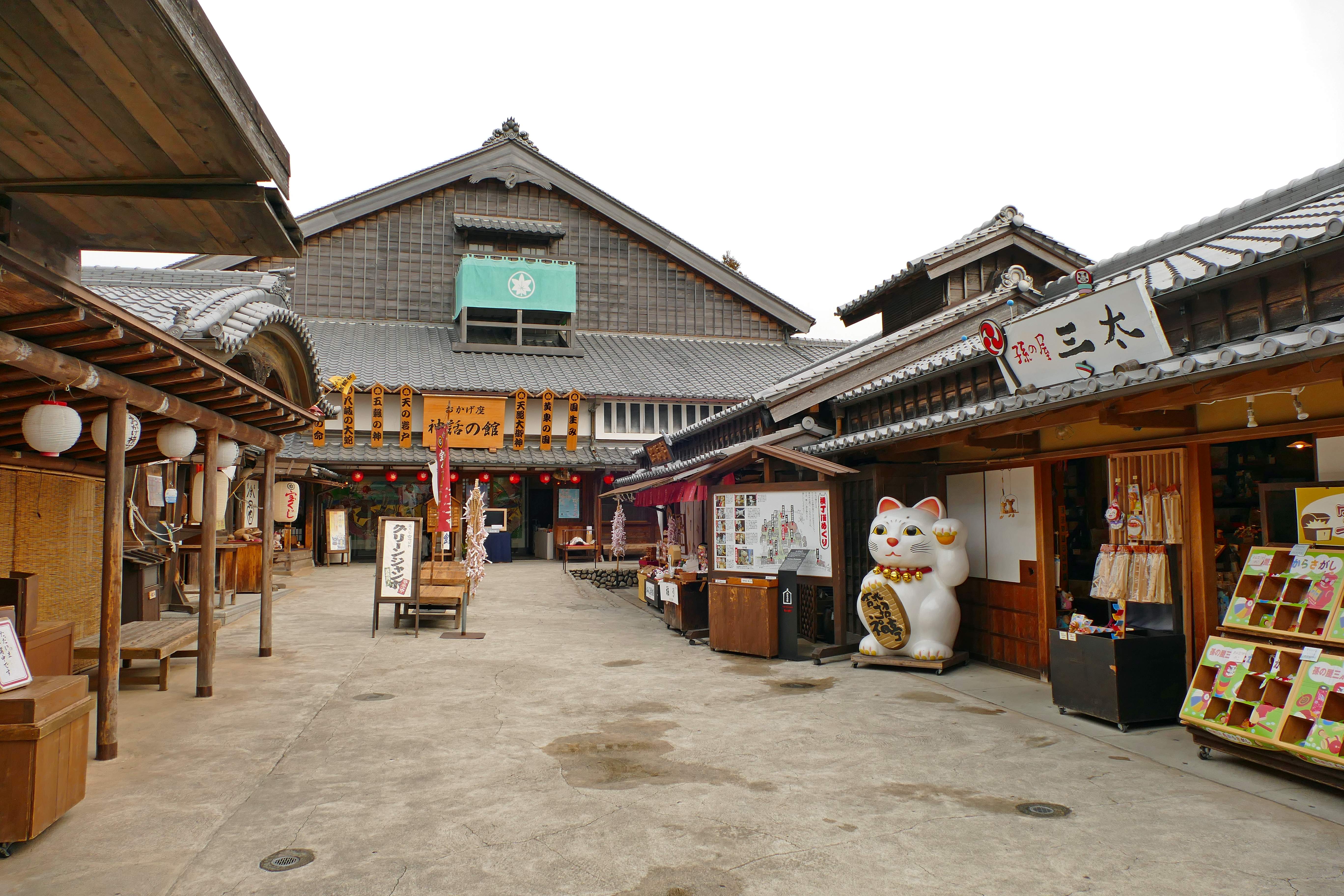
The restored Edo-period streets leading to Naiku overflow with restaurants and shops. Here's our hard-won knowledge: most establishments along the main street cater to day-trippers and tour groups, with corresponding quality and pricing. The best experiences lie just one street back.
Restaurant Insider Tips
- For Ise udon (the local thick noodle specialty), skip the famous Okage-yokocho location and walk two blocks to "Tsukiyomi Chaaya"—same family recipe, half the wait time, better atmosphere.
- Akafuku mochi (the sweet red bean rice cakes) are mandatory, but buy them from the original shop at the end of the shopping street, not the satellite locations. They're made fresh throughout the day, and timing matters—arrive between productions and you'll get yesterday's stock.
- For traditional kaiseki lunch without ryokan prices, make a reservation at "Sushi Kyu" (reservations essential, English booking support limited). Located in a quiet residential area 10 minutes from the shrine, it's where locals take visiting relatives.
Enhance Your Ise-Shima Experience
By this point in planning your Ise-Shima visit, you've likely realized that while the region is accessible, maximizing your experience requires local knowledge and careful timing. This is precisely why we developed our curated self-guided tours containing Ise-Shima visits.
Mikimoto Pearl Island: Understanding the Pearl Story
Getting to Toba and What to Expect
From Ise, the journey to Toba takes about 20 minutes on the Kintetsu line. Toba Station is small, and here's the navigation detail that helps: Exit from the central wicket (not the tourist information side), turn left, and walk straight for 8 minutes. You'll see the bridge leading to Mikimoto Pearl Island ahead. Many visitors waste time at the station looking for taxis or buses—the walk is straightforward and pleasant.
⏰ Timing expertise: The island opens at 9:00 AM (9:30 AM December through February). Arrive within 30 minutes of opening, tour the museum first, then position yourself at the ama diving demonstration area by 10:30 AM for the first performance. This sequence ensures you see everything before tour groups arrive around 11:00 AM. The demonstrations run every 30-60 minutes from April through December, weather permitting.
Kokichi Mikimoto and the Cultured Pearl Industry
Understanding Kokichi Mikimoto's achievement requires context. In the late 19th century, natural pearls were rarer than diamonds, affordable only to royalty and the extraordinarily wealthy. Mikimoto, from a modest family in this very hometown of Toba, spent years experimenting with pearl cultivation. When he finally succeeded in 1893, he didn't just create a new product—he revolutionized an entire industry and brought prosperity to the entire Ise-Shima region.
The museum on the island displays his early experiments, the development of his cultivation techniques, and spectacular examples of pearl jewelry. But the real insight comes from understanding the business acumen behind the innovation. Mikimoto didn't just cultivate pearls; he cultivated a global market, establishing boutiques in major world cities and developing the marketing strategies that made cultured pearls desirable despite initial resistance from natural pearl dealers.
The Ama Divers: Beyond the Performance
The ama diving demonstrations at Mikimoto Pearl Island showcase women performing traditional breath-hold diving techniques. These performances are beautiful but somewhat theatrical—the divers haven't actually harvested pearls this way since the early 20th century. For the authentic ama experience, you need to go deeper into the region.
Ama Divers: Meeting the Real Sea Women of Ise-Shima
Understanding Ama Culture and History
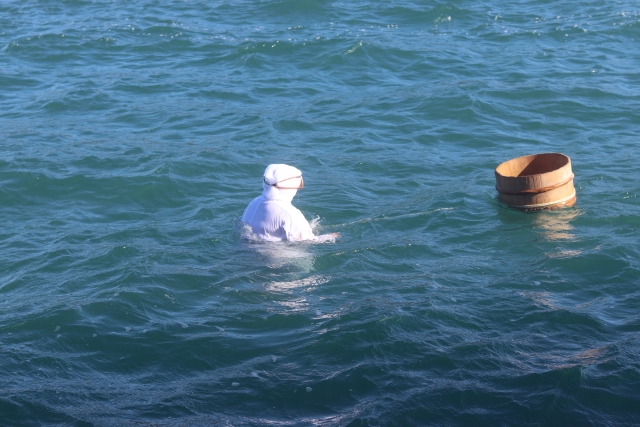
The ama—literally "sea women"—represent a tradition spanning over 2,000 years of Japanese maritime history. These female divers harvest abalone, sea urchins, turban shells, and seaweed through breath-hold diving, without any breathing equipment. In Ise-Shima, ama diving isn't a tourist attraction but a living profession, though the number of active divers has declined from thousands to a few hundred.
Cultural insight: The tradition of female divers rather than male ones has practical roots. Women's bodies maintain warmth better in cold water due to higher body fat ratios, allowing longer diving sessions. This biological advantage turned into a cultural tradition that's persisted for millennia.
Visiting an Ama Hut: How to Do It Right
Several locations around Ago Bay offer "ama hut" experiences where visitors can meet working ama divers, watch them prepare their catch, and enjoy freshly grilled seafood while hearing their stories. But not all ama huts are created equal—some cater primarily to large tour groups with rushed, impersonal experiences.
📋 Ama Hut Booking Checklist
- ✓ Book at least one week ahead, longer during peak seasons
- ✓ Request a small group setting (maximum 8-10 people)
- ✓ Morning sessions (10:00 AM or 11:00 AM) work best—the ama are fresher and more talkative
- ✓ Specify that you want an English-speaking guide or translator present
- ✓ Expect to spend ¥5,000-8,000 per person including meal
The best ama hut experiences happen in less touristy areas around Ago Bay. We maintain relationships with three family-run operations that provide authentic interactions. These ama range from their 40s to 70s, each with decades of diving experience and remarkable stories.
Ago Bay: Navigating the Pearl Coast
Understanding the Geography
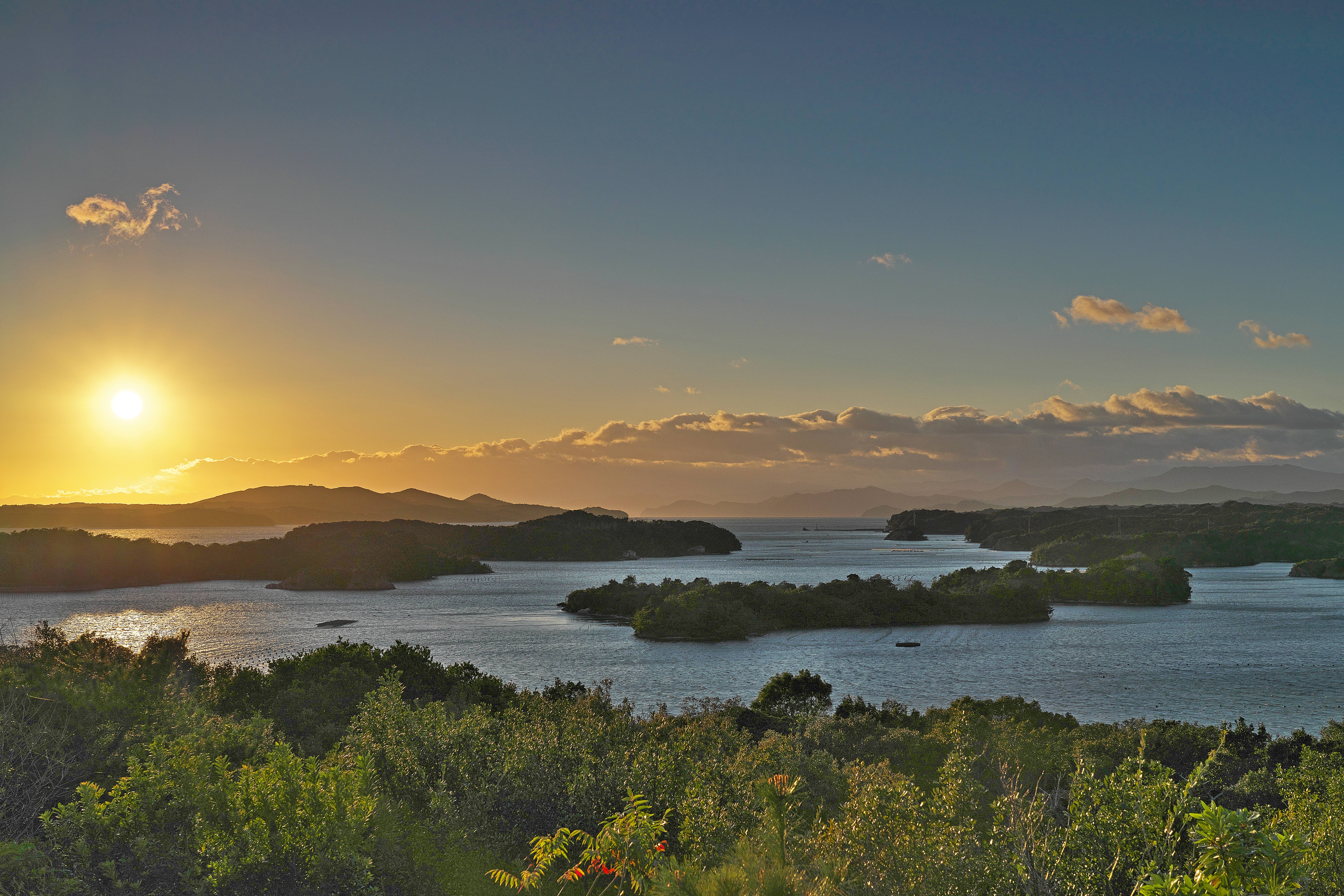
Ago Bay's complex coastline of inlets and islands creates one of Japan's most photogenic landscapes. The bay also serves as the heart of the modern cultured pearl industry, with hundreds of pearl cultivation rafts dotting the calm waters. From various viewpoints around Shima Peninsula, you can observe this intersection of natural beauty and traditional industry.
Getting Around Ago Bay—The Practical Reality
Most visitors underestimate Ago Bay's size and the challenges of accessing viewpoints without a car. Public transportation exists but runs infrequently (sometimes hourly), and taxis in this rural area must be called in advance—they don't cruise for fares. Here's how we handle it:
- The Shima Spain Village area offers the best panoramic viewpoint of the bay, accessible by bus from Toba or Ugata Station (40 minutes)
- For boat tours of the pearl farms, book through your accommodation or at the Kashikojima harbor office (limited English, bookings recommended)
- The true insider secret: rent bicycles in Kashikojima (available at the station) and spend a half-day cycling the quiet coastal roads. The area is hillier than expected, so request an e-bike if available.
The Pearl Cultivation Process
Those geometric rafts you see across Ago Bay represent years of meticulous work. Pearl cultivation requires inserting a nucleus into an oyster, then waiting 18-24 months (sometimes longer) for the pearl to form. Throughout this time, workers monitor water temperature, clean the oysters, and protect them from predators. Only a percentage of oysters produce quality pearls—the process remains part science, part art.
Some pearl farms offer tours, but most cater exclusively to Japanese-speaking groups with advance reservations. This represents one of the genuine access challenges in Ise-Shima.
Ise-Shima National Park: Beyond the Tourist Trail
What the National Park Designation Means
Established in 1946, Ise-Shima National Park protects over 55,000 hectares of coastal and marine environments. Unlike Japan's alpine parks, this is an inhabited landscape where conservation coexists with fishing villages, small-scale agriculture, and tourism. The result is a gentler kind of nature experience—less dramatic than the Japan Alps, but offering its own rewards.
Hiking and Exploration: Realistic Expectations
Let's be honest: Ise-Shima National Park isn't primarily a hiking destination. The trails exist but lack the development, signage, and English information found in more famous parks. That said, several walks offer rewarding experiences for moderately fit visitors.
🥾 Practical Hiking Advice
- • The Ise-Shima Skyline toll road provides the easiest access to elevated viewpoints. Drive or take a taxi from Ise to the various overlooks and short walking paths. Mount Asama (the highest point) offers 360-degree views on clear days.
- • For actual hiking, the coastal trail near Daio-zaki Lighthouse provides the most accessible route with excellent ocean views. Allow 2-3 hours, bring water, and wear proper walking shoes.
- • Trail maps in English are scarce. Download offline maps before you go, and understand that trail markers assume Japanese literacy.
Coastal Beauty and Beach Access
The rugged coastline includes several beaches suitable for strolling rather than swimming. The most accessible are near Toba and Futami. Summer months (July-August) see some beach activity, but this isn't primarily a beach destination—expect modest facilities and limited English signage.
Local knowledge: The most photographically stunning coastal sections lie along the eastern Shima Peninsula, accessible by car or bicycle. The reality of visiting without your own transportation means you'll miss some of the most spectacular scenery unless you plan carefully or join a tour that includes these areas.
Where to Stay: Accommodation Strategy
Choosing Your Base
The practical reality is that Ise-Shima requires at least two nights, preferably three, to experience properly. Your accommodation strategy should match your priorities:
🏙️ Staying in Ise City
Advantages:
- • Easy access to Ise Grand Shrine
- • More restaurant options
- • Better English support
Disadvantages:
- • Less scenic, more urban feel
- • Requires travel to coastal areas
🌊 Staying in Toba/Ago Bay
Advantages:
- • Ocean views
- • Traditional ryokan experiences
- • Authentic atmosphere
Disadvantages:
- • Limited dining outside ryokan
- • Less convenient for shrines
- • English support varies
Our recommendation: Split your stay. Spend your first night in Ise City (allowing early morning shrine visits), then move to a ryokan overlooking Ago Bay for the remainder. This provides both convenience and atmosphere.
Ryokan Selection: What Matters
Choosing a ryokan in Ise-Shima requires understanding that not all properties offer equal experiences. Key considerations:
- English capability: Ranges from fluent staff to none at all. If you're not comfortable navigating entirely in Japanese, this matters significantly.
- Dining: Some ryokan serve elaborate kaiseki meals featuring local seafood, others offer more basic fare. The quality difference is dramatic, and price doesn't always correlate.
- Bath facilities: Private baths versus communal baths, ocean views or not, hot spring water or regular heated water—clarify what you're booking.
- Location: "Near Ago Bay" can mean waterfront with stunning views or several blocks inland with no view at all.
We maintain relationships with select ryokan that reliably provide excellent experiences for international guests—properties where the staff understand non-Japanese guests' needs, the meals showcase regional specialties, and the locations deliver on their promises.
Seasonal Considerations: When to Visit
🌸 April: Cherry Blossoms
Cherry blossoms create beautiful scenes around Ise Grand Shrine. Most popular for Japanese tourists—higher prices, book 2 months ahead. Ama demonstrations resume.
🌿 May-June: Ideal Window
Pleasant weather, fewer crowds, reasonable pricing. Rainy season (mid-June) can affect outdoor activities but rarely disrupts plans significantly. Excellent value.
☀️ July-September: Summer
Hot and humid. School holiday crowds in July-August. Prime season for fresh seafood and ocean activities. Adjust schedules for midday heat.
🍂 October-November: Peak
Comfortable temperatures, beautiful fall colors, excellent weather. Our most recommended period. Book well in advance—especially November.
❄️ December-March: Quiet Season
Fewer visitors, lower prices. Ama demonstrations at Mikimoto close Dec-Mar. Shrine visits beautiful with crisp air. Pack warm layers—coastal winds can be chilly.
Practical Details That Matter
Money and Payments
Outside major hotels and some restaurants in Ise City, credit card acceptance is limited. Many ryokan, smaller restaurants, and all transportation in the area require cash. ATMs at post offices accept international cards reliably; convenience store ATMs work less consistently.
💴 Important: Bring more cash than you think you'll need. Withdrawing money in rural areas can be challenging, especially on weekends when post offices close. We advise guests to carry at least ¥50,000 in cash for a 3-day visit.
Language Considerations
English signage exists at major sites (Ise Grand Shrine, Mikimoto Pearl Island) but remains limited compared to Tokyo or Kyoto. Restaurant menus outside tourist areas are typically Japanese-only. Accommodation staff's English ability varies dramatically.
This isn't an insurmountable challenge—people navigate these situations daily—but it's worth acknowledging. Having key phrases written in Japanese, using translation apps, and maintaining patience and good humor go a long way. Or, of course, having a tour service that provides English-language materials and booking support eliminates these concerns entirely.
Mobile Connectivity
Japan's pocket WiFi rental services work well throughout Ise-Shima. Major carriers (NTT Docomo, au, Softbank) provide good coverage in towns and along main roads, though rural coastal areas may have limited signal. Download offline maps and any essential information before venturing into less-developed areas.
Creating Your Perfect Ise-Shima Itinerary
The Three-Day Standard
📅 Recommended 3-Day Itinerary
Day 1
Arrive via Kintetsu Limited Express, visit Outer Shrine in late afternoon, explore Okagemachi, overnight in Ise City
Day 2
Early morning Inner Shrine visit, travel to Toba, explore Mikimoto Pearl Island, check into ryokan near Ago Bay, enjoy kaiseki dinner
Day 3
Morning ama hut experience or Ago Bay exploration, afternoon scenic drive or coastal activities, evening return to Kyoto/Nagoya
This framework provides comprehensive coverage without feeling rushed. Adjustments depend on your specific interests—pearl culture enthusiasts might spend more time around Ago Bay, while those prioritizing spiritual experiences might add extra shrine time.
Begin Your Ise-Shima Journey
For travelers who value authentic experiences over tourist attractions, who appreciate cultural depth alongside natural beauty, and who understand that the best journeys combine careful planning with spontaneous discovery, Ise-Shima offers something genuinely special. This is Japan as it exists for Japanese people—a place of spiritual significance, historical importance, and natural beauty that remains wonderfully, refreshingly real.
The question isn't whether Ise-Shima deserves a place on your Japan itinerary—it's how to experience it fully. The region's treasures reveal themselves to those who know where to look, when to arrive, and how to navigate the practical realities of travel in rural Japan.
Your journey to one of Japan's most meaningful destinations begins with a single decision: to look beyond the obvious and discover the Japan that endures. Ise-Shima awaits.
Ready to Experience Ise-Shima?
Our comprehensive tour packages handle all the complexity—from reserved seating on the Kintetsu Limited Express to confirmed bookings at the best ryokan with English-speaking staff. Contact us today to begin planning your authentic Ise-Shima adventure.
Last updated: January 23, 2026. Information about transportation schedules, prices, and operating hours may change. Contact us for the most current details.